

tempered glass price
Understanding Frame Levels A Comprehensive Overview In the realm of photography, videography, and design, the concept of frame levels plays a pivotal role in how we perceive and compose visual narratives. Frame levels refer to the various heights or angles at which a camera or a design element is positioned to capture or present a subject. This article seeks to explore the significance of frame levels, their impact on storytelling, and tips for effectively utilizing them in your work. The Importance of Frame Levels Frame levels are crucial in determining how a viewer interprets an image or a scene. Different frame levels can elicit varied emotional responses and can guide the viewer's eye in specific ways. For instance, shooting from a low angle tends to empower the subject, making them appear larger and more dominant. Conversely, a high angle can create a sense of vulnerability or insignificance, as the subject is seen from above. This manipulation of perspective is not just a technique; it’s a form of visual storytelling that can dramatically affect the narrative being conveyed. A photographer or filmmaker must carefully consider the frame level choices they make to ensure they align with the intended message or emotion. The Mechanics of Frame Levels Frame levels can be categorized primarily into three basic angles low, eye-level, and high . 1. Low Angle This approach involves positioning the camera below the subject. It generally creates a sense of scale and can elevate the subject’s impact. For example, in a film, a hero might be captured from a low angle during a triumphant moment, which visually reinforces their strength and authority. 2. Eye Level The most neutral frame level, typically representing how we view the world. This angle fosters a sense of equality between the viewer and the subject. It's often employed in documentaries and interviews as it facilitates a direct connection between the audience and the subject, conveying authenticity and relatability. frame levels 3. High Angle Shooting from above can diminish the subject’s presence, making them appear smaller or more vulnerable. This technique is often used in scenes that intend to evoke sympathy or may suggest a lack of power. Practical Tips for Implementing Frame Levels To effectively utilize frame levels in your work, consider the following strategies - Think about your subject Always have a clear understanding of the characteristics and emotions you want to convey about your subject. Choose a frame level that aligns with this narrative. - Experiment with angles Don’t be afraid to move around and explore various angles. Each change in frame level can reveal different nuances of your subject, contributing to a richer storytelling experience. - Pay attention to the surroundings The environment can also influence the impact of different frame levels. A cluttered background may detract from the subject, while a clean backdrop can enhance focus. - Review and Analyze After shooting, review your footage or images critically. Compare various frame levels and how they affect the visual narrative. This practice will help refine your skills and develop a more instinctual use of angles in future projects. Conclusion Frame levels are an essential tool in the arsenal of any visual storyteller, be it photographers, filmmakers, or designers. By understanding and effectively applying different frame levels, creators can significantly enhance their work, guiding the audience’s perception and emotional response. Whether you’re capturing a fleeting moment or crafting a carefully staged scene, the angles you choose can profoundly impact how your story is received. Embrace the power of frame levels, and let them elevate your visual storytelling to new heights.
about
tempered glass price
Understanding Snap Micrometers Precision Measurement Tools in Engineering The snap micrometer, often simply referred to as a micrometer, is an instrumental tool in precision engineering and manufacturing, celebrated for its ability to measure small dimensions with remarkable accuracy. The origins of the micrometer date back to the 17th century, but the evolution of snap micrometers has made them indispensable in modern precision measurement applications. What is a Snap Micrometer? A snap micrometer features a unique design, consisting of two main parts a fixed anvil and a movable spindle that is adjusted via a screw mechanism. The measurement of an object occurs between the anvil and the spindle, which can be precisely turned to create a small gap for measurement. The measurement range of traditional micrometers is typically from 0 to 25 millimeters or other selected ranges, which can be further divided into more specific decimal points. The term snap refers to the micrometer's mechanism, where the spindle can snap into place when the object being measured is inserted, allowing for an immediate and secure measurement. This feature adds efficiency to the measurement process, ensuring that users can quickly obtain readings without the fear of misalignment or variance. Key Features and Benefits 1. Accuracy Snap micrometers are known for their exceptional accuracy, often capable of measuring to the nearest 0.01 millimeters or finer, depending on the model. This level of precision is critical in industries that require tight tolerances, such as aerospace, automotive, and electronics. 2. Ease of Use The intuitive design allows users to measure objects without extensive training. The clear scale and locking mechanism ensure that users can obtain reliable readings consistently, making it ideal for professionals and hobbyists alike. snap micrometer 3. Durability Many snap micrometers are constructed from high-quality materials, such as hardened steel or stainless steel, which not only enhances their durability but also helps preserve accuracy through consistent use . The robust design contributes to their longevity even in harsh working environments. 4. Versatility Different types of snap micrometers are available, tailored for various applications. For instance, there are specific models for measuring external dimensions, internal dimensions, and depths, making them versatile tools in any workshop or lab. Applications in Industry Snap micrometers are widely employed in different sectors where precision measurements are crucial. In manufacturing, they are essential for ensuring that parts fit together correctly, contributing to overall product quality. In laboratories, snap micrometers are used for research and development, where precision measurements can influence experimental outcomes. Additionally, these tools play a vital role in quality control. By regularly checking dimensions against specifications, manufacturers can maintain product standards and reduce waste due to faulty measurements. Conclusion In summary, the snap micrometer is a vital tool in the realm of precision measurement. With its accuracy, ease of use, durability, and versatility, it stands out as an essential instrument for engineers, machinists, and researchers alike. As industries continue to push the envelope in terms of technology and precision, the snap micrometer will undoubtedly remain a reliable partner in the quest for excellence in measurement. Whether used in high-stakes manufacturing processes or intricate experimental setups, the snap micrometer exemplifies the importance of accurate measurement in achieving quality and efficiency.
-

High quality industrial productsagement

High quality industrial products
View Details -

Meet the diverse needs of customers

Meet the diverse needs of customers
View Details -

Strict quality control

Strict quality control
View Details -

Top raw materials

Top raw materials
View Details -

Trusted supplier

Trusted supplier
View Details
Our application


news and information

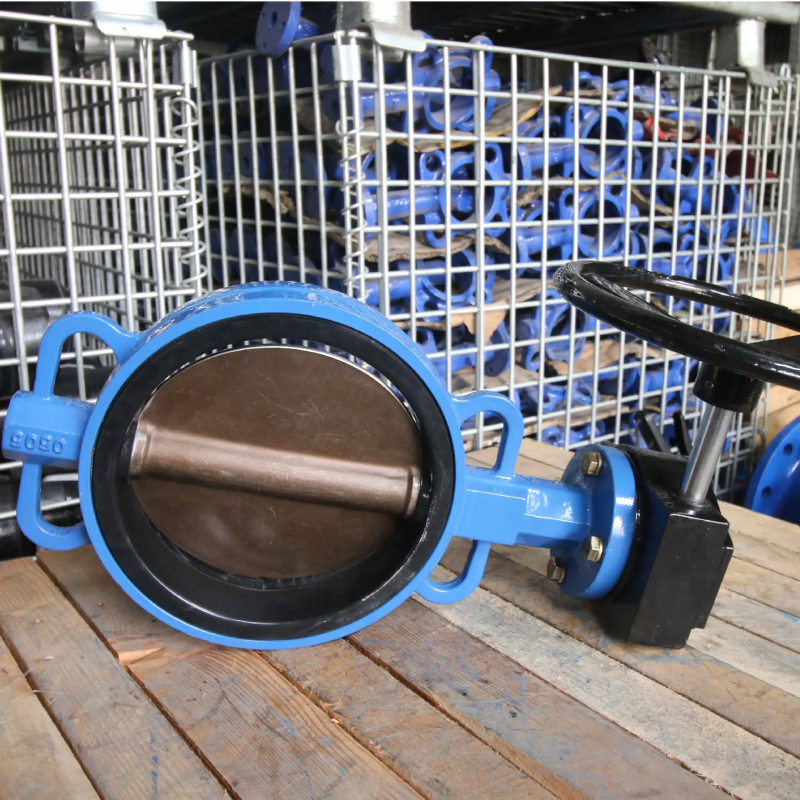
Van bướm 6 inch chất lượng cao cho hệ thống ống nước
Van bướm 6 inch Giải pháp hoàn hảo cho hệ thống ống dẫn Trong ngành công nghiệp hiện đại, việc quản
Y-type filter met afvoerkraan voor efficiënte vloeistofbehandeling
Y-Type Filter met Afsluitklep Een Efficiënte Oplossing voor Uw Pijpleidingsysteem In de wereld van i
Versatile Six-Sided Aluminum Alloy Angle Measurement Tool for Precision Applications
The Versatility of Six-Sided Aluminum Alloy Angle Measuring Tools In the world of precision measurem
 English